Why Apple's Late iPhone Duo Launch Is a Smart Strategy
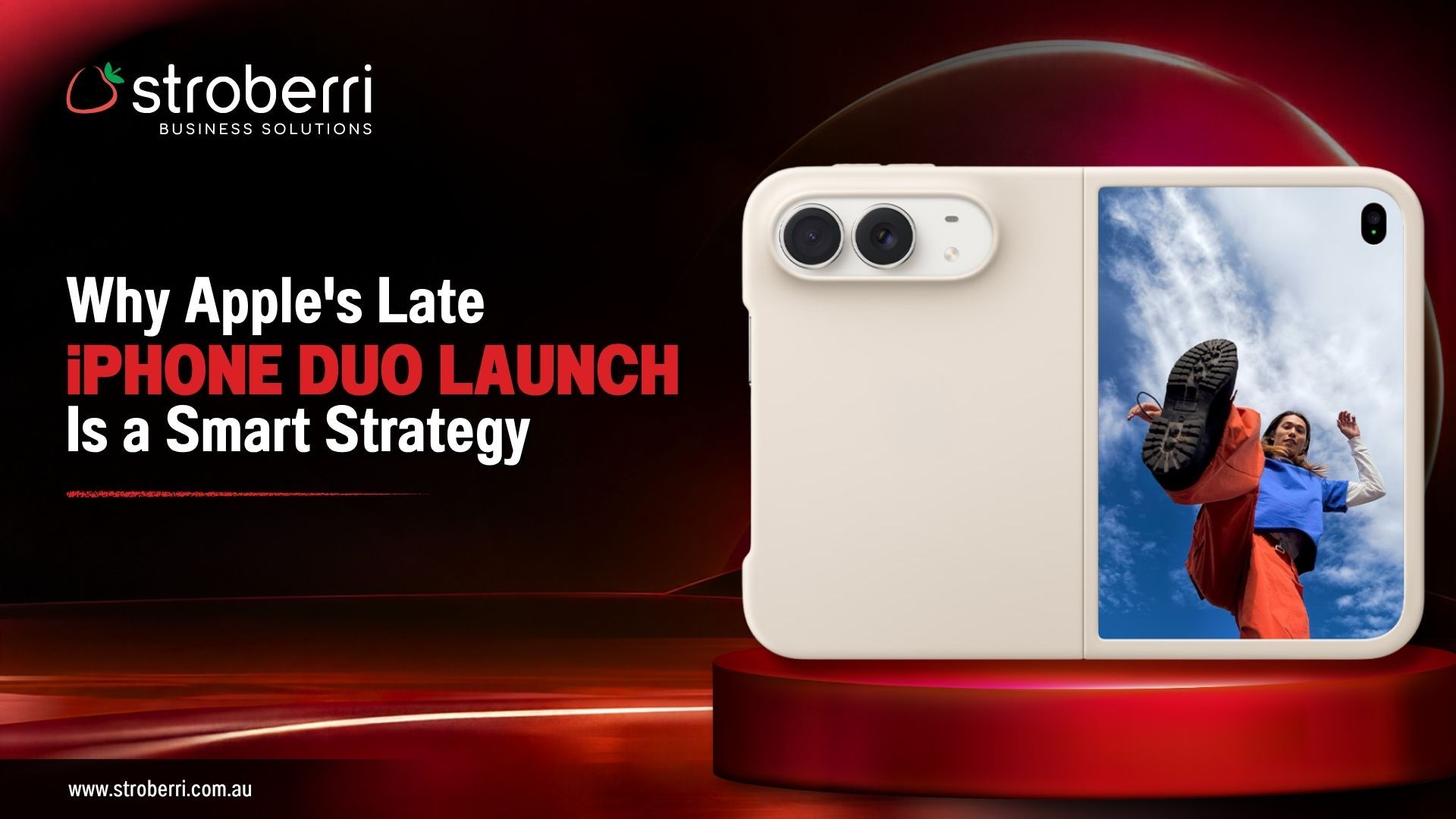
Samsung launched its first foldable phone back in 2019. Huawei, Motorola, and Google all followed with their own versions over the next few years. Apple stayed quiet through all of it. Now, with the iPhone Duo finally on the way, the tech world is treating it like a landmark launch. That reaction says something important about how Apple actually wins.
Quick Answer
Apple rarely launches a new product category first. It waits, watches, and then arrives with a version that feels more finished than anything that came before it. The iPhone Duo follows that same pattern, and history suggests it will work in Apple's favour once again.
Apple Has a Pattern of Being Late
Apple has built an entire business on showing up after everyone else has already tried. Look back at almost every major product Apple has released, and the same pattern shows up again and again. Another company introduces a new idea first, spends years working out the flaws, and slowly builds a market around it. Apple then enters that same market with a version that feels more complete, more refined, and often more appealing to a much wider audience.
This has happened so consistently across different decades and different product categories that it has become one of Apple's defining traits as a company.
Late To Innovation
- The iPod was launched in 2001, years after portable MP3 players already existed. Companies like Diamond Multimedia and Creative had been selling digital music players since the late 1990s, but those early devices were clunky and hard to use. Apple studied those pain points, then launched the iPod with a simpler interface and the iTunes ecosystem behind it.
- The iPhone followed a similar path. Palm, BlackBerry, and Nokia had already built smartphones in the early 2000's with email and basic apps, though they often felt clunky to navigate. Apple watched how people used these devices, then after 5 years in 2007 built the iPhone with a touchscreen interface that felt far more natural.
- When it comes to touchscreens, early tablets and PDAs from Palm and Microsoft relied on styluses and felt more like a workaround than a natural way to interact with a screen. Apple replaced the stylus with simple finger gestures, making the experience feel intuitive in a way earlier touchscreens never quite managed.
In every one of these cases, other companies took the early risk and made the early mistakes, while Apple introduced the polished version.
Yet Apple Still Takes Home the Majority of Global Smartphone Profit
Despite entering these categories late, Apple consistently captures the largest share of profit in the smartphone industry. Being early clearly isn't what determines who wins the market long term.
Apple's dominance comes down to the right strategy rather than focusing on the timing. The company keeps a narrow lineup of devices and controls the hardware and software together. This lets Apple charge a premium price that most competitors can't match, since customers are really paying for an ecosystem. Services like iCloud, the App Store, and iMessage keep people locked in, making it a bigger decision to switch brands than simply buy a new phone.
Samsung and other Android makers compete across many price points, which spreads their margins thin. Apple stays almost entirely in the premium segment, where margins are highest. That means Apple sells fewer units overall but earns far more per unit. The result is a company that dominates industry profits without dominating market share.
How Do You Win by Showing Up Last?
It sounds counter intuitive at first. Showing up last usually means missing the wave. For Apple, it means something different. Arriving later gives Apple time to study what worked, what failed, and what customers actually wanted once they got their hands on the product.
Why Being First Was Never the Advantage
Being first comes with a hidden cost. Early products in any new category tend to be rough. They solve a problem in theory but stumble in execution, whether that's poor battery life, clunky software, or a price point customers aren't ready to accept. The company that goes first spends years and significant resources teaching the market that the category even exists.
By the time a second or third company enters, most of that education has already happened. Apple has learned to let other companies pay that cost.
Easier Market Penetration When Someone Else Goes First
Launching a brand new product category is expensive in ways that go beyond research and development. A company has to convince customers that a problem exists, that the product solves it, and that it's worth spending money on something unfamiliar. That process can take years, and most of the companies that do this early work never see the full reward for it.
Apple has learned to let someone else absorb that cost. By waiting until a category has already proven itself, Apple walks into a market where the hard, expensive groundwork has already been done by others.
The Market Is Already Educated by the Time Apple Arrives
When Apple finally enters a category, customers already understand what the product does and why it might matter to them. Samsung, Huawei, and Motorola spent years explaining what a foldable phone is and why someone might want one. Apple gets to skip that entire education phase and focus purely on convincing people its version is worth buying.
Apple Watches Competitors' Mistakes, Then Avoids Them
Every early foldable phone came with its own set of problems. Some had visible creases down the middle of the screen. Some had hinges that failed after repeated folding. Some were priced so high that only early adopters were willing to buy in. Apple gets to watch all of this play out from the sidelines, then design around each specific issue before its own version ever reaches customers.
Apple Waits Until the Tech Is Actually Ready
Apple rarely rushes a product to market just to claim the title of "first." Instead, it waits until the underlying technology, from displays to hinges to battery efficiency, has matured enough to support the polished experience Apple is known for. This is where the brand's signature quality comes from. The iPhone Duo isn't being built as a rushed response to competitors. It's being built as the version Apple believes finally does the concept justice, backed by the design language and build quality customers already associate with the brand.
It's Not Just Apple: ChatGPT vs Claude
This pattern shows up outside of hardware too. ChatGPT was the first AI assistant to reach mass adoption, introducing millions of people to conversational AI almost overnight. Claude arrived later, without that same first-mover attention.
Despite that, many developers and businesses moved toward Claude once they had a chance to use it for real work, particularly for coding and more complex reasoning tasks. Arriving second didn't stop Claude from earning a strong following. What mattered to users wasn't which tool showed up first. It was which one delivered better results once they actually tried it.
What Businesses Can Learn From Apple's Timing
Apple's approach to timing offers a useful lesson for businesses of any size, not just tech giants with billions in resources.
1. Let Competitors Validate the Market Before You Spend on Education
If a category is brand new and unproven, someone has to convince the market it's worth paying attention to. That process is expensive and slow. Letting a competitor take on that cost first can save a business significant time and money, as long as the business is ready to move once demand is confirmed.
2. Study Competitor Mistakes Instead of Repeating Them
Every early product in a new category reveals weaknesses once real customers start using it. Watching those weaknesses play out in public gives later entrants a clear roadmap of what to avoid. This is far cheaper than discovering the same problems firsthand.
3. Ship Only When Your Version Is Genuinely Better, Not Just Earlier
Speed to market matters less than the quality of what actually reaches customers. A product that solves the real problems of an early version will always have a stronger chance of winning long-term loyalty than one that simply got there first.
4. Timing Your Entry Beats Rushing Your Entry
The right entry point depends on the market, not the calendar. Rushing to launch before a product is ready often creates the exact problems that turn early adopters away. Waiting for the right moment, even if it means entering months or years after competitors, can lead to a stronger and more lasting position in the market.
Conclusion
Apple's history shows a consistent pattern. It rarely invents a category. It rarely launches first. What it does instead is wait, observe, and refine until it can deliver a version that feels genuinely better than anything that came before it. The iPhone Duo fits neatly into that pattern. Being late hasn't hurt Apple in the past, and there's little reason to think this time will be any different. For businesses watching from outside the tech industry, the lesson is simple. Being first can earn attention, but being better is what earns the market.
Follow Stroberri Blog for latest marketing strategy case studies, or contact us if you're looking for innovative marketing strategies for your enterprise.